Key Takeaways:
- Hair Growth Support: Hair oils help create a healthier scalp environment, supporting stronger strands and reducing breakage over time.
- Consistency Matters: Visible improvements in hair density and strength typically develop gradually with regular scalp care and routine use.
- Quality Ingredients: Authentic, nutrient-rich oils sourced with care can play an important role in maintaining long-term hair health.
Hair thinning or slow growth often leads people to seek solutions to support healthier, fuller hair. Among the many treatments available, hair oils are often recommended as part of a consistent scalp-care routine. Still, many people wonder whether these traditional remedies truly make a difference or simply improve hair's appearance temporarily.
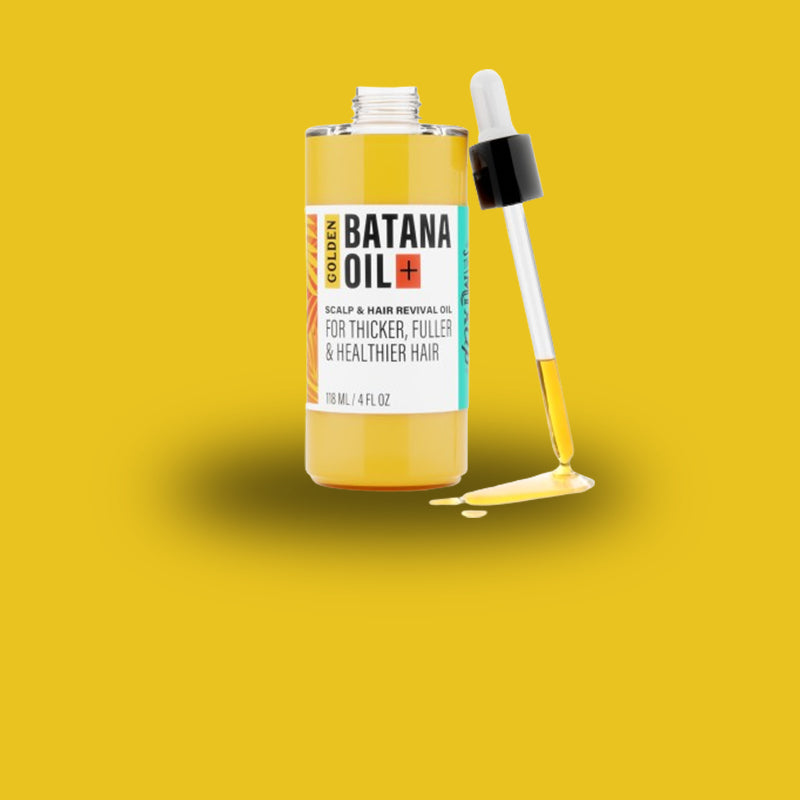
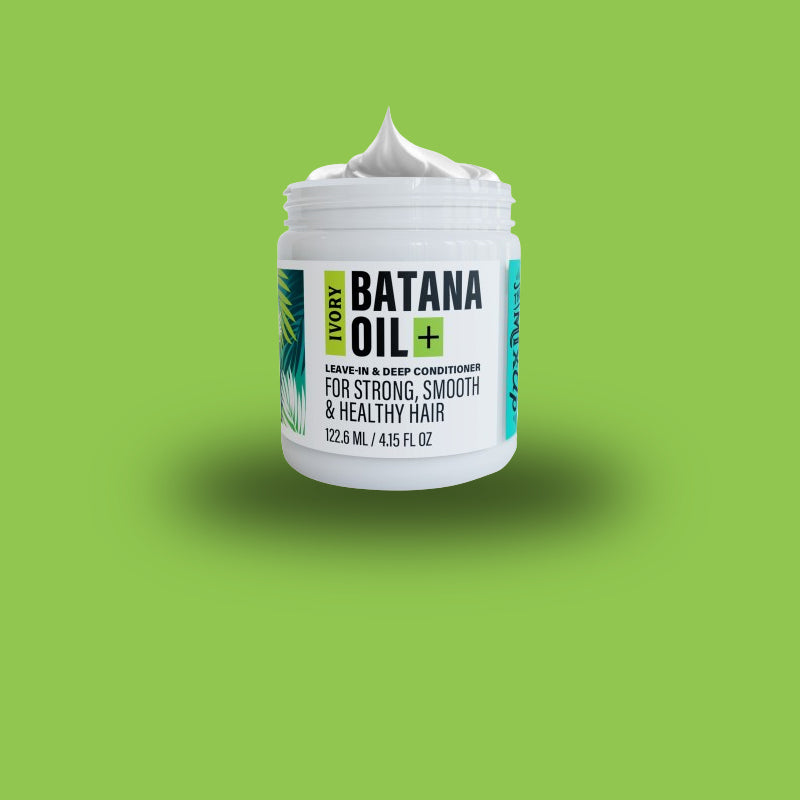
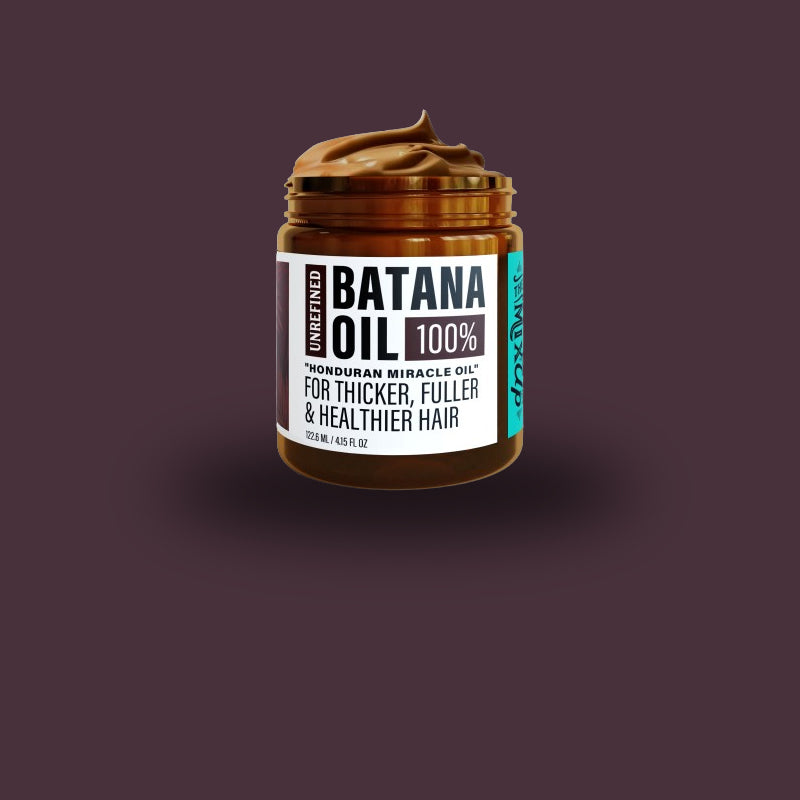
At Hotana, healthy hair begins with honest ingredients and respect for time-tested traditions. Our batana oil is sourced from Honduras, using methods rooted in the heritage of the Miskito people, a community known for maintaining strong, resilient hair through generations of natural oil treatments. By focusing on authentic sourcing and simple formulations, we remain committed to supporting long-term hair health with ingredients that people can trust.
In this piece, we’ll examine whether hair growth oil works, how scalp oils support hair health, and what realistic results people can expect from consistent use.
Understanding How Hair Growth Oils Work
The question many people ask before trying a scalp treatment is whether hair growth oil works. Hair oils have been used for centuries across many cultures as part of regular hair care routines. Their purpose is not to force hair to grow overnight, but to support the environment where healthy hair can grow. When applied to the scalp and hair, oils help nourish the skin, soften strands, and protect the hair shaft from damage.
Hair grows from follicles located in the scalp, and the condition of that scalp plays an important role in the growth cycle. Oils can help by moisturizing dry skin, reducing hair fiber brittleness, and supporting circulation during a gentle scalp massage. Over time, these practices may help create conditions that allow hair to grow stronger and experience less breakage, contributing to a fuller appearance.

What Research And Tradition Reveal About Hair Oils
Hair oils have long been part of traditional hair care practices around the world. Modern research continues to examine how plant oils interact with the scalp and hair fiber. Understanding both scientific findings and historical use can help explain why many people explore oils for hair regrowth:
Traditional Use Across Cultures
For generations, communities across Asia, Africa, and Central America have used plant oils as part of regular scalp care. These traditions developed through observation and consistent practice rather than quick beauty trends. Many of these oils were valued for their ability to condition the scalp, strengthen strands, and support long-term hair maintenance.
Nutrients Found In Natural Oils
Many plant-derived oils contain fatty acids, antioxidants, and vitamins that help support hair and scalp health. These nutrients can help soften dry hair fibers while maintaining scalp moisture. When hair is properly hydrated and protected, it becomes less prone to breakage and damage.
What Studies Suggest About Oil Treatments
Research shows that certain oils can penetrate the hair shaft or create a protective layer around it, reducing protein loss and structural damage. Coconut oil, for example, was found to significantly reduce protein loss in both undamaged and damaged hair due to its low molecular weight and affinity for hair proteins (Journal of Cosmetic Science, 2003). This is part of why people researching batana oil for alopecia find it relevant to discussions of oil-based scalp treatment. These findings contribute to ongoing discussions about the effectiveness of hair growth oil as part of a broader hair care routine.
Why Consistency Matters
Traditional hair care practices rarely rely on single treatments or short-term use. Oils are typically applied regularly as part of a long-term routine that includes scalp massage and gentle hair care habits. Over time, these consistent practices may help support healthier hair growth conditions and improve overall hair resilience.
The Role Of Scalp Health In Supporting Hair Growth
Hair growth begins beneath the surface of the scalp, where follicles produce each strand of hair. The scalp's condition can influence how well these follicles function over time. Understanding this connection helps explain why many people explore supportive treatments such as scalp oils:
The Hair Growth Cycle
Hair grows through a natural cycle that includes growth, rest, and shedding phases. Anagen, catagen, telogen, and exogen, with each follicle moving through these stages independently (Journal of Cosmetic Dermatology, 2023). This is why some hair shedding is completely normal. Maintaining a healthy scalp environment helps support follicles during the active growth phase so strands can grow longer and stronger.
Hydration And Barrier Protection
A dry or irritated scalp can disrupt the environment where hair follicles function. Natural oils help replenish moisture and create a protective barrier that reduces dryness and flaking. This supportive layer helps the scalp maintain balance and protects delicate new hair as it grows.
Circulation And Scalp Massage
Applying oil often involves a gentle scalp massage, which can help stimulate circulation in the skin. Improved blood flow may support the delivery of oxygen and nutrients to the hair follicles. A standardized scalp massage study found increased hair thickness after 24 weeks, attributed to both enhanced circulation and mechanical stimulation of dermal papilla cells (ePlasty, 2016). Over time, this routine can contribute to healthier scalp conditions, supporting stronger hair growth.
Supporting The Scalp With Natural Care
Many people incorporate oils into broader natural hair growth remedies that focus on scalp care, nutrition, and consistent routines. Rather than serving as a quick fix, these practices aim to support the biological environment in which hair grows. A balanced scalp often leads to stronger strands and improved resilience against breakage.

What Realistic Hair Oil Results Look Like Over Time
People often begin using scalp oils with hopes of noticeable improvement in hair thickness or growth. While oils can support healthier hair, meaningful changes usually develop gradually with consistent care. Understanding realistic expectations helps people interpret their hair oil results more clearly:
Early Improvements In Hair Texture
One of the first changes many people notice is improved softness and manageability. Oils help condition the hair shaft and reduce dryness, making hair appear smoother and easier to style. This improvement does not yet represent new growth, but it can signal that the hair is receiving better moisture and protection.
Reduced Breakage And Shedding
As hair becomes more hydrated and protected, it often becomes less prone to snapping or splitting. Reduced breakage allows strands to retain length instead of breaking before they grow longer. Over time, maintaining stronger strands can make hair appear fuller and healthier.
Gradual Improvements In Density
Hair growth takes time because follicles move through a natural cycle that can last several months. With consistent scalp care and supportive ingredients, some people begin to notice gradual improvements in density or thickness, which is the central focus for those exploring batana oil for thicker hair. These changes tend to develop slowly and vary from person to person.
Consistency And Patience
Hair restoration rarely happens quickly, which is why patience becomes an important part of any routine. Regular use of supportive oils, gentle scalp care, and healthy habits can help maintain an environment where stronger hair can grow. Over months of consistent care, small improvements may become more noticeable, which is what people document when sharing batana oil before and after experiences.
How To Choose High-Quality Natural Hair Oils
Not all hair oils are created with the same level of care or ingredient quality. For people seeking long term improvement in hair health, the source and formulation of an oil matter just as much as how it is used. Understanding what defines a well-crafted oil helps people evaluate the true value and potential of a hair oil as part of a consistent scalp care routine:
Ingredient Purity And Transparency
High-quality oils begin with clearly identified ingredients and transparent sourcing. Pure, unrefined oils tend to retain more of their natural fatty acids and nutrients compared to heavily processed alternatives. People who read labels carefully often look for oils that avoid unnecessary fillers or synthetic additives.
Traditional Ingredients With A History Of Use
Many oils used for scalp care have roots in cultural traditions that span generations. Historically, ingredients such as batana hair oil, coconut oil, and castor oil have been used to support hair strength and scalp nourishment. These traditions often guide modern interest in plant-based oils for maintaining healthy hair.
Minimal And Purpose Driven Formulations
Well-crafted hair oils typically focus on a small number of ingredients selected for their function. Simpler formulations allow the oil's natural properties to remain the central focus of the treatment. This approach aligns with consumers who prefer thoughtful, ingredient-driven care rather than complex cosmetic blends.
Ethical Sourcing And Authentic Production
The origin of an oil can influence both quality and authenticity. Oils sourced from regions where the ingredient is traditionally produced often reflect careful harvesting and processing. Responsible sourcing also supports the communities connected to these traditions, which many consumers value when choosing hair care products.

Final Thoughts
Hair oils have remained part of hair care traditions for generations because they support the foundation of healthy hair. While they are not instant solutions, consistent scalp care, nourishing ingredients, and patience can contribute to stronger strands and improved hair health over time. For many people asking whether hair growth oil works, the answer becomes clearer through consistent routines that prioritize scalp wellness.
Choosing thoughtfully sourced, high-quality oils and using them regularly can help maintain the environment that supports healthy hair growth. Over time, supportive practices like scalp massage, gentle care, and nutrient-rich oils may contribute to stronger, more resilient hair that reflects long term care rather than quick fixes.
Frequently Asked Questions About Does Hair Growth Oil Work
How long does it take to see results from hair growth oil?
Hair growth follows a natural cycle that can take several months. Some people notice improved texture and reduced dryness within weeks, while visible changes in length or density usually require consistent use over a longer period.
Can hair growth oil help with thinning hair?
Hair oils can support scalp hydration and strengthen existing strands, which may reduce breakage and improve overall hair appearance. They can be helpful as part of a broader hair care routine, especially when thinning is related to dryness or scalp imbalance.
Is hair growth oil suitable for all hair types?
Most natural oils can be used on straight, wavy, curly, or textured hair. The key is adjusting the amount and frequency based on hair thickness and scalp condition so the oil supports moisture without weighing the hair down.
Should hair growth oil be applied to the scalp or the hair strands?
Many people apply oil primarily to the scalp to support the follicles and skin where hair grows. It can also be applied lightly to hair strands to protect against dryness and help maintain the hair fiber's flexibility.
Can hair oils be used with other hair treatments?
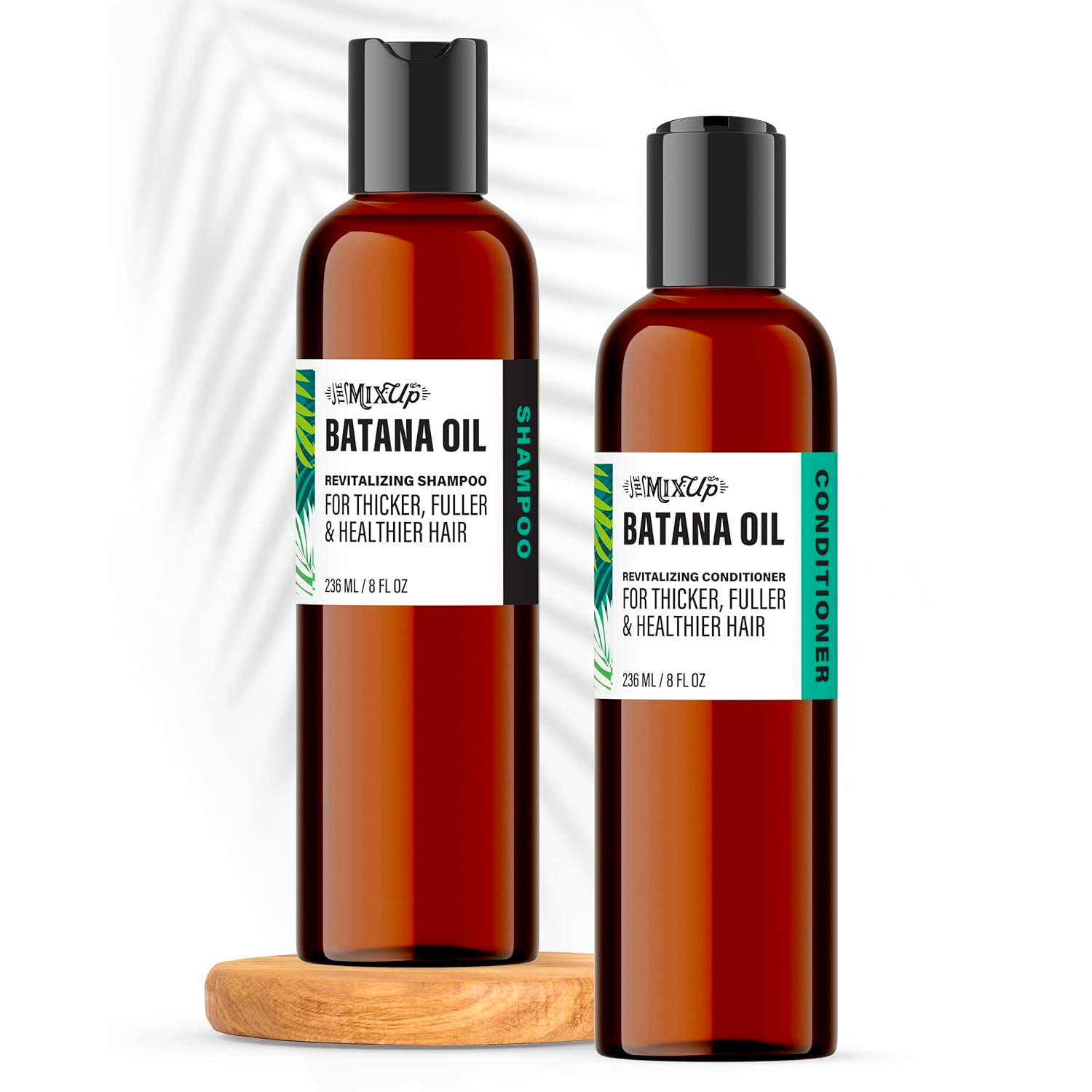
Hair oils are often combined with other practices such as batana shampoo and conditioner, balanced nutrition, and protective styling. These approaches work together to support scalp health and maintain stronger hair over time.
Do natural oils work better than synthetic hair products?
Natural oils often contain fatty acids and nutrients that help condition both the scalp and hair. Some people prefer them because they provide moisture and protection without relying on heavy synthetic ingredients.
How often should hair growth oil be used?
Frequency depends on hair type and scalp needs. Many people use oils as a weekly scalp treatment or hair mask, while others apply small amounts more frequently for ongoing moisture and protection.
Sources:
- Rele, A. S., & Mohile, R. B. (2003). Effect of mineral oil, sunflower oil, and coconut oil on prevention of hair damage. Journal of Cosmetic Science, 54(2), 175–192. https://pubmed.ncbi.nlm.nih.gov/12715094/
- Koyama, T., Kobayashi, K., Hama, T., Murakami, K., & Ogawa, R. (2016). Standardized scalp massage results in increased hair thickness by inducing stretching forces to dermal papilla cells in the subcutaneous tissue. ePlasty, 16, e8. https://pmc.ncbi.nlm.nih.gov/articles/PMC4740347/
- Evron, A., Nikolis, A., & Hazan, J. (2023). Integrative and mechanistic approach to the hair growth cycle and hair loss. Journal of Cosmetic Dermatology, 22(2), 393–406. https://pmc.ncbi.nlm.nih.gov/articles/PMC9917549/