Why the Nape Tangles So Easily
The hair at the nape is typically finer and more fragile than the rest of your head. It is also exposed to constant contact—from fabric, sweat, and daily movement.
As the hair dries out, the strands become rougher and more likely to catch on each other. This leads to tangling, knotting, and eventually breakage when you try to detangle.
Even a good routine can miss this area, allowing damage to build over time.
The nape needs targeted care—not just general maintenance.
The Real Problem: Friction + Dry Ends
When hair lacks moisture, the cuticle becomes rough. Add friction from clothing or movement, and strands begin to tangle together.
Once knots form, detangling can cause snapping—especially if the hair is already weak. This is why the nape often feels shorter or thinner over time.
Fixing the issue means addressing both dryness and friction at the same time.
Smooth strands resist tangles.
How Unrefined Batana Oil Helps
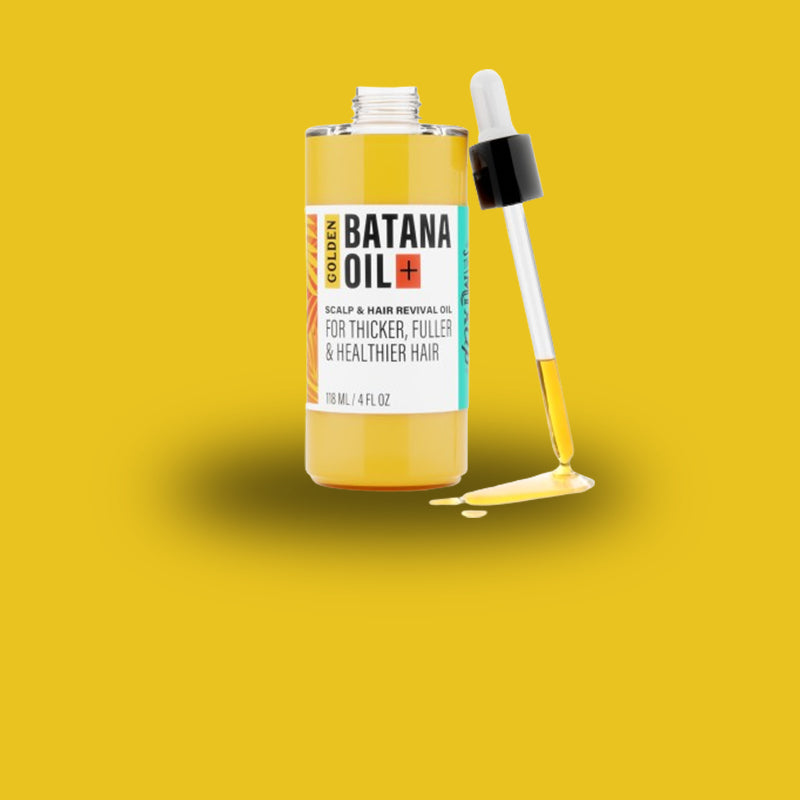
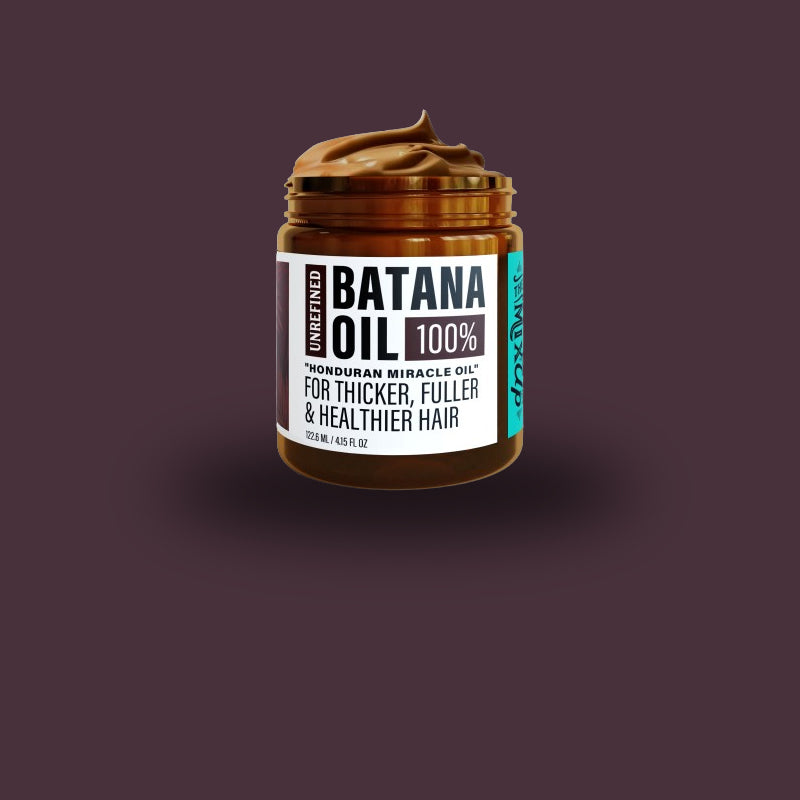
Unrefined Batana Oil works by deeply conditioning the hair, restoring softness and flexibility to dry strands. When hair is properly moisturized, it is less likely to tangle under friction.
It also creates a light protective layer along the hair shaft, helping reduce the impact of rubbing against clothing and external surfaces.
Over time, this helps minimize knot formation and supports stronger, more resilient hair at the nape.
Protection is what prevents the cycle from repeating.
A Simple Nape Protection Routine
After washing or detangling, apply a small amount of unrefined batana oil directly to the nape area. Focus on fully coating the strands, especially the ends.
Gently smooth the hair downward to reduce friction and help the strands lay together rather than against each other.
If you wear clothing that rubs against your neck, consider protective styles like low braids or twists to minimize contact.
Reapply a small amount of oil throughout the week as needed to keep the area soft and protected.
Consistency here makes a noticeable difference.
What to Expect Over Time
In the beginning, the nape may feel softer and easier to detangle. Knots may still form, but they will be less tight and easier to work through.
Over time, as moisture is restored and friction is reduced, tangling may decrease significantly. Breakage may also lessen, allowing the nape area to retain more length.
The goal is not zero tangles—it is fewer, looser, and less damaging ones.
Small changes lead to stronger hair.
Who This Is Ideal For
This is ideal for anyone who constantly struggles with tangling, knotting, or breakage at the nape of the neck.
It is especially helpful for those with curly, coily, or textured hair, as well as anyone wearing clothing or styles that increase friction in that area.
If the back of your hair never feels as healthy as the rest, this is the fix.
Frequently Asked Questions
Why does only my nape tangle so much?
It is more fragile and exposed to constant friction from clothing and movement.
How often should I apply oil to this area?
A few times per week or as needed to maintain softness.
Will this stop knots completely?
It reduces their frequency and severity, making them easier to manage.
Can I use it with protective styles?
Yes, it works well with braids, twists, and other low-tension styles.
The Nape Knot Solution
If you are constantly fighting tangles at the nape, the answer is not more aggressive detangling—it is better protection.
Unrefined Batana Oil helps soften, shield, and strengthen this delicate area so knots form less often and cause less damage when they do.
Your nape does not need more force. It needs more support.