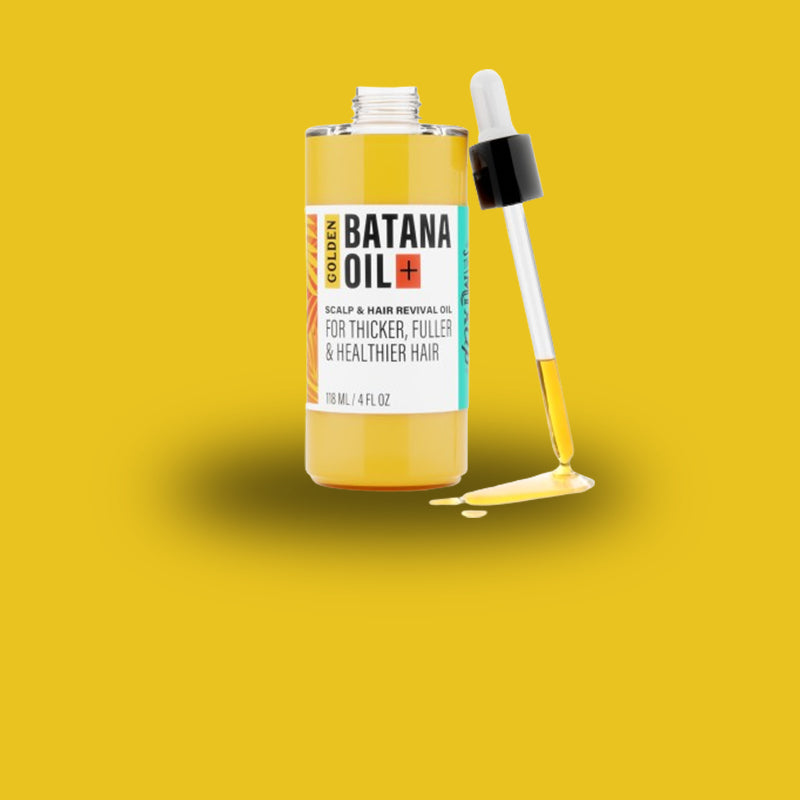
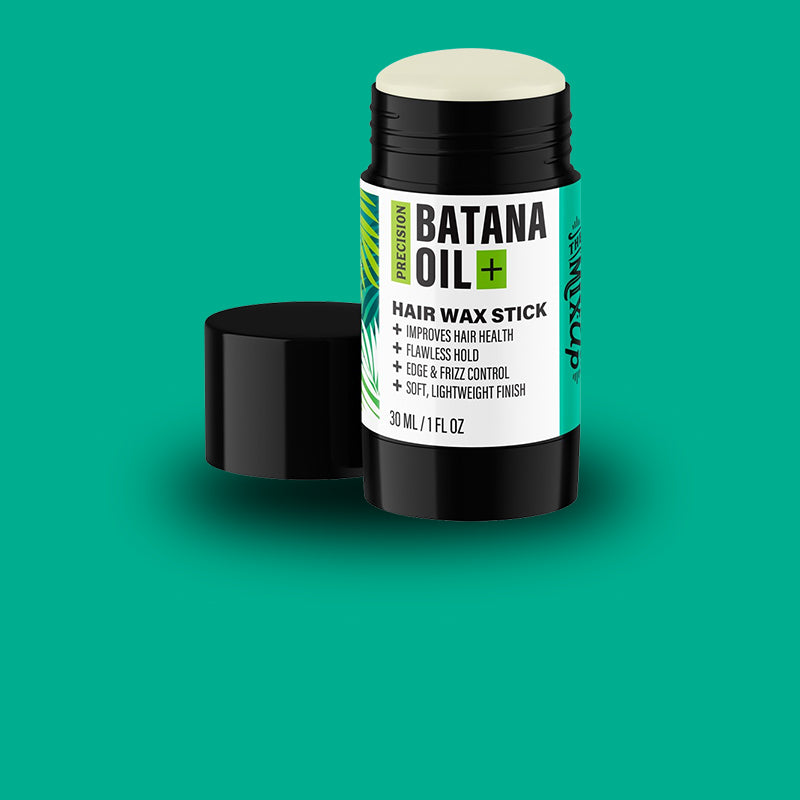
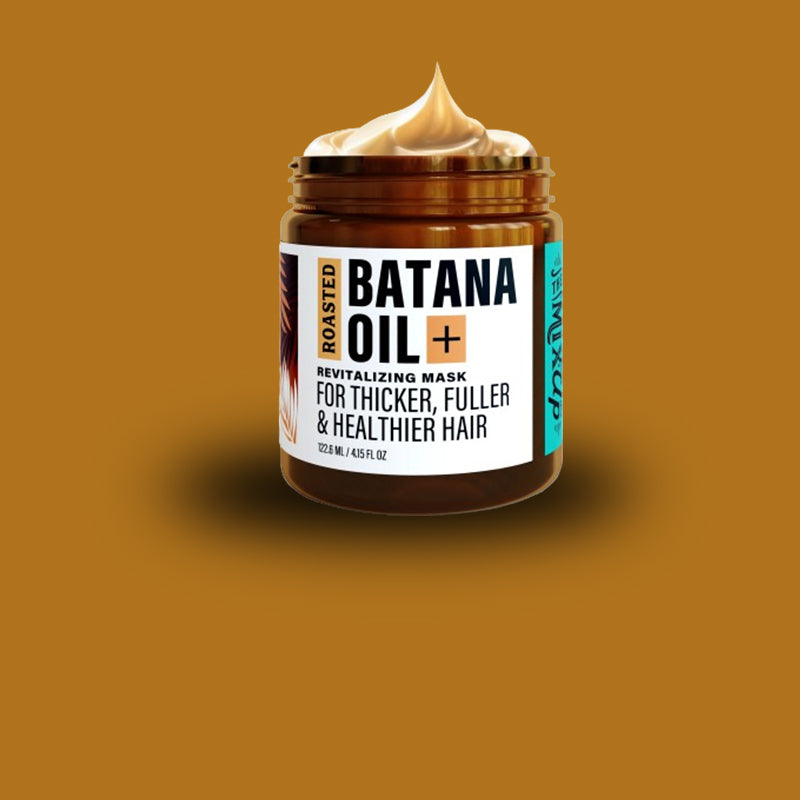
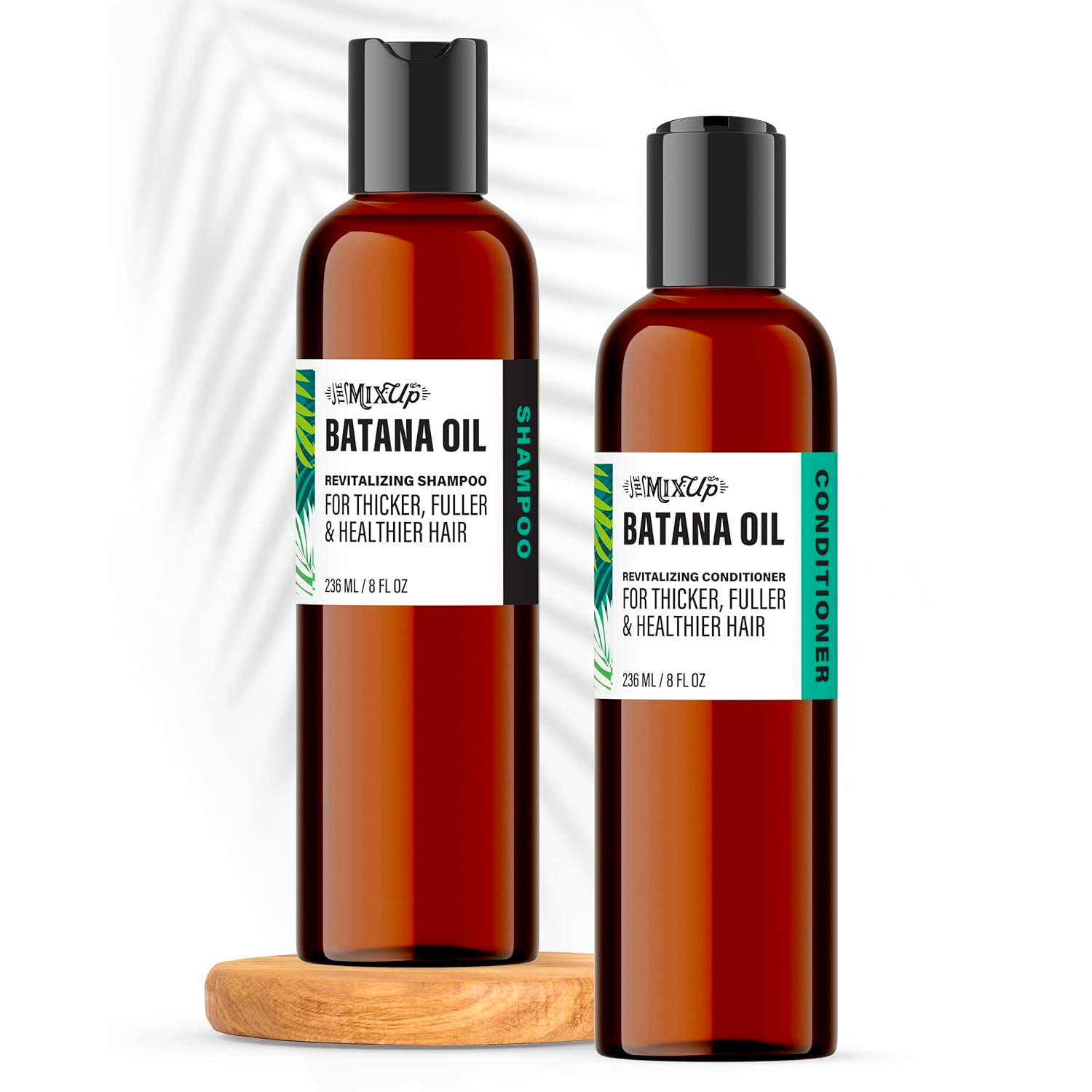
Moisture and nourishment are not the same thing. Water-based hydration can temporarily plump the hair shaft, but without the right lipids and nutrients to seal it in, that moisture evaporates quickly and dryness returns. This is why so many people find themselves in a cycle of conditioning and still feeling like their hair is thirsty.
What dry hair genuinely needs is a deep-conditioning oil that penetrates the cuticle rather than sits on top of it. Oils rich in fatty acids work by reinforcing the hair's natural lipid barrier, helping strands retain moisture between washes and resist brittleness that can lead to breakage. The Institute of Trichologists, the foremost professional association for trichology, the science and study of hair and scalp, founded in 1902 and operating an accredited government-backed register of practitioners, recognizes that the structural integrity of the hair shaft, including the integrity of the cuticle and lipid barrier, is foundational to understanding how hair responds to conditioning and nourishment over time.
The right oil, used consistently over time, changes the texture and resilience of your hair from the inside out. That kind of transformation is gradual but lasting.
What Makes A Deep Conditioning Hair Oil Actually Work
Not all hair oils deliver the same results, and the difference usually comes down to what is inside the bottle and how little it has been processed. A genuinely effective deep-conditioning hair oil works because of its molecular composition, purity, and how well it interacts with your hair's natural structure. Here is what separates oils that truly condition from those that only appear to:
It Penetrates Rather Than Just Coats
The best conditioning oils are rich in oleic acid, a fatty acid small enough to move past the hair cuticle and nourish from within. Oils that sit on the surface may add temporary shine, but they do not address the underlying dryness. Deep penetration leads to lasting softness and improved elasticity with consistent use.
It Preserves The Oil's Natural Nutrient Profile
Refining, deodorizing, and diluting oils strips away the very compounds that make them effective. See how Hotana compares across brands in our guide to the best batana oil. Tocopherols, fatty acids, and plant-based antioxidants are all sensitive to processing. The American Botanical Council, the leading independent nonprofit research and education organization dedicated to the responsible use of herbs and botanical ingredients since 1988, has documented through its Botanical Adulterants Prevention Program that adulteration and dilution of plant-derived ingredients in the natural products industry are widespread concerns, reinforcing why sourcing integrity and minimal processing matter so much when choosing a botanical oil.
It Works With Your Scalp, Not Just Your Strands
Healthy hair starts at the scalp, and a well-formulated conditioning oil supports both. Nourishing the scalp with quality plant-based lipids helps maintain the environment your follicles need to produce stronger, more resilient strands over time. The British Association of Dermatologists, the UK's professional membership body for dermatologists dedicated to medical education and research with a stated vision of Healthy Skin for All, recognizes scalp health as an integral component of overall hair and follicle function, underscoring why supporting the scalp environment is considered as important as treating the hair shaft itself.
How To Use An Intensive Conditioning Oil For Maximum Results
Using a conditioning oil correctly makes as much difference as choosing the right one. An intensive conditioning oil works best when applied with intention, at the right frequency, and with realistic expectations about the timeline for change. Here is how to get the most out of every application:
Apply It To Damp Or Dry Hair Before Washing
Warm a small amount of oil between your palms and work it through your hair from mid-length to ends, then apply any remainder directly to your scalp. Using it as a pre-wash treatment on damp or dry hair allows more time for absorption before the rinse, which supports deeper conditioning with each session.
Use Heat To Help It Absorb
Covering your hair with a warm towel or shower cap for 20 to 30 minutes after applying the oil helps open the cuticle slightly, allowing the oil's nutrients to penetrate more effectively. This step is simple but makes a meaningful difference in how much your hair retains from each treatment.
Build A Routine And Stay With It
A moisturizing hair treatment oil delivers its best results through repetition, not single-use application. Incorporating it into your routine two to three times per week gives your hair the sustained nourishment it needs. For more on finding the right amount and frequency for your hair, see how often to use batana oil.
Why Hotana Batana Oil Is The Hair Oil For Dry Hair
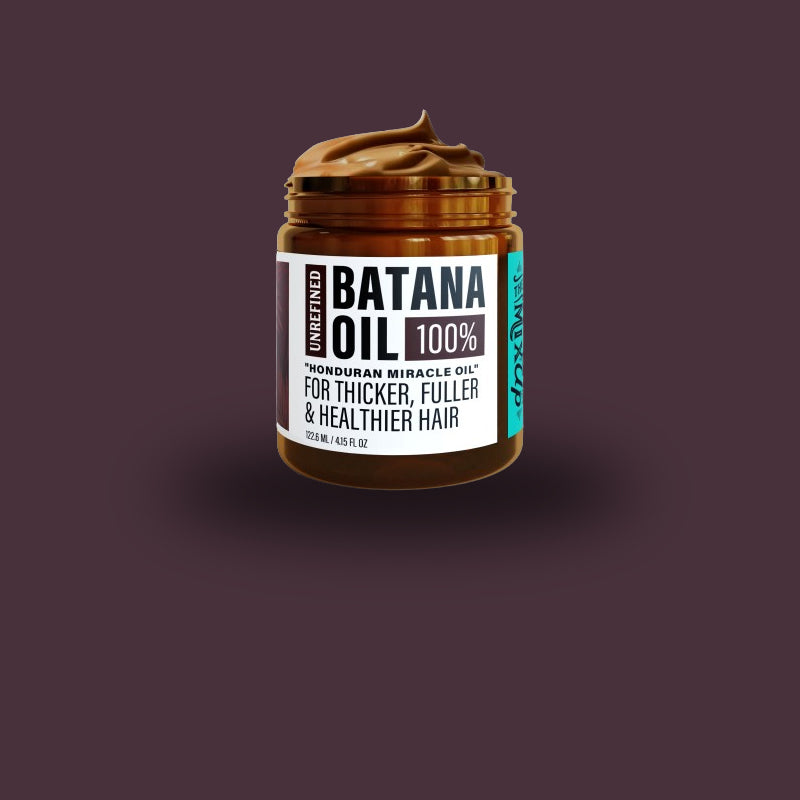
When it comes to choosing a hair oil for dry hair, authenticity is everything. Hotana's unrefined Batana Oil is sourced directly from Honduras, honoring the traditional methods of the Miskito communities who have relied on it for generations. It arrives in your hands exactly as it was harvested: unrefined, unadulterated, and rich in the natural fatty acids and tocopherols that dry hair genuinely needs.
What sets our oil apart is what we choose not to do to it. We never deodorize, dilute, or alter it during processing, because doing so would compromise the very compounds that make it effective.
Our customers who commit to consistent use over time are the ones who see their hair gradually transform. Softer texture, reduced breakage, and improved resilience are built through patience and repetition, not a single application.