Why Transitioning Hair Breaks So Easily
During the transition, your hair is essentially managing two structures at once.
Natural hair tends to be stronger and more elastic, while relaxed hair is more porous and fragile. Where they meet, tension builds.
This leads to:
Breakage at the line of demarcation
Increased tangling
Difficulty detangling
Uneven texture and dryness
Frustration with styling
Even gentle handling can cause snapping if the strand is not supported properly.
The issue is not your technique.
It is the structural difference in your hair.
The Most Important Area to Protect
Many routines focus on ends or roots—but during a transition, the most important area is the middle.
The line of demarcation needs:
Moisture to improve flexibility
Strength to handle tension
Slip to reduce friction
Protection during styling and detangling
Without this support, breakage can make it feel like you are losing progress instead of gaining it.
Protecting this area is what allows your natural hair journey to succeed.
How the Batana Oil Duo Supports Transitioning Hair
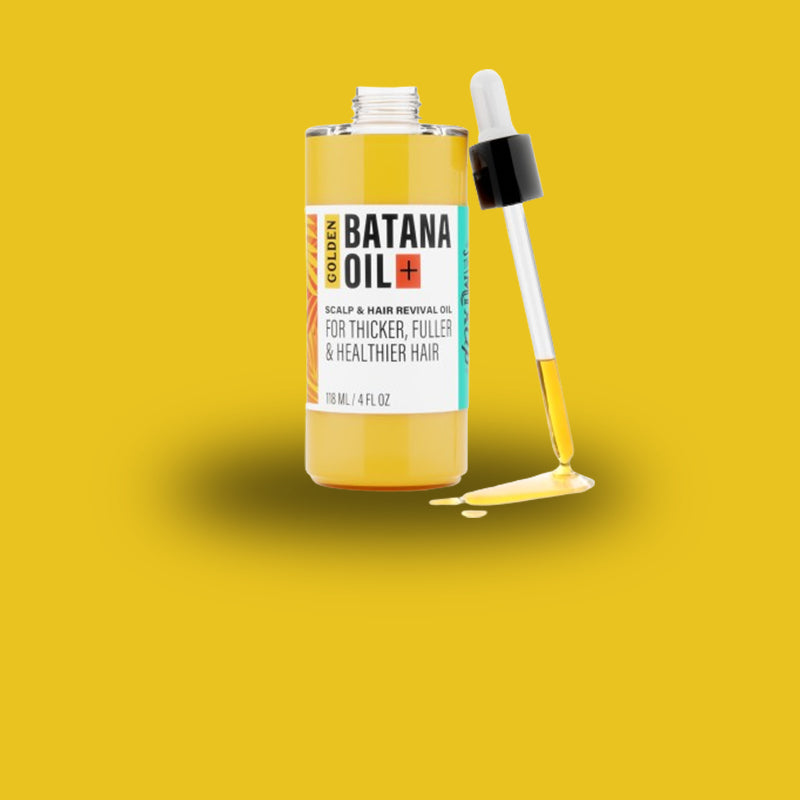
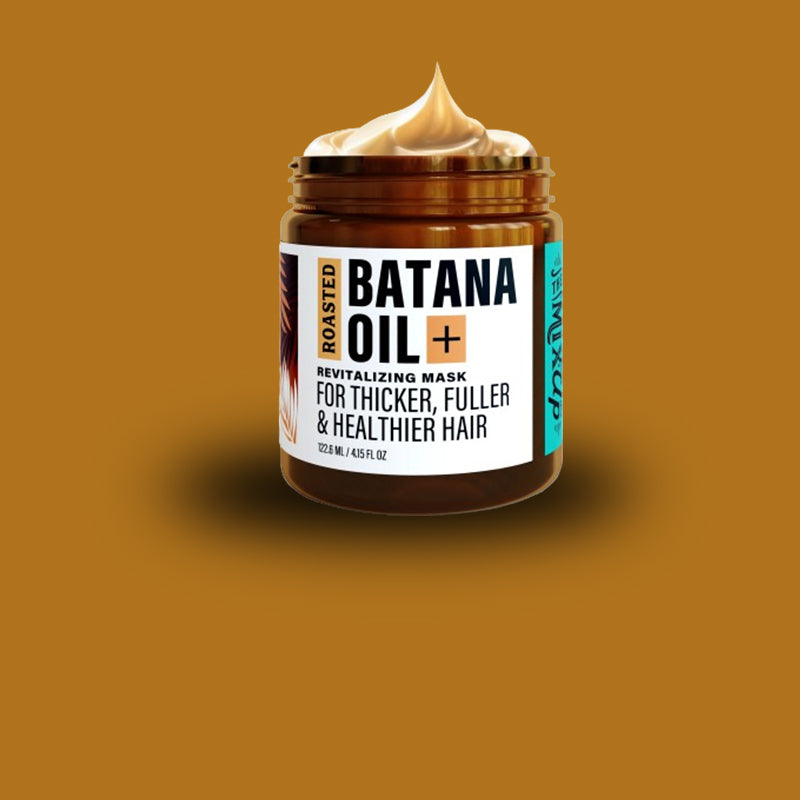
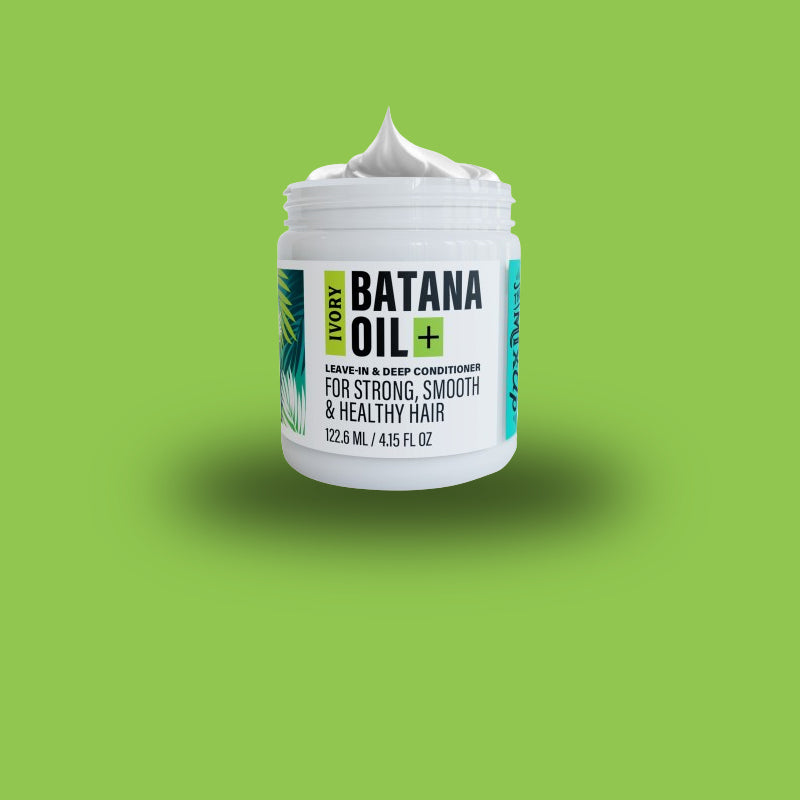
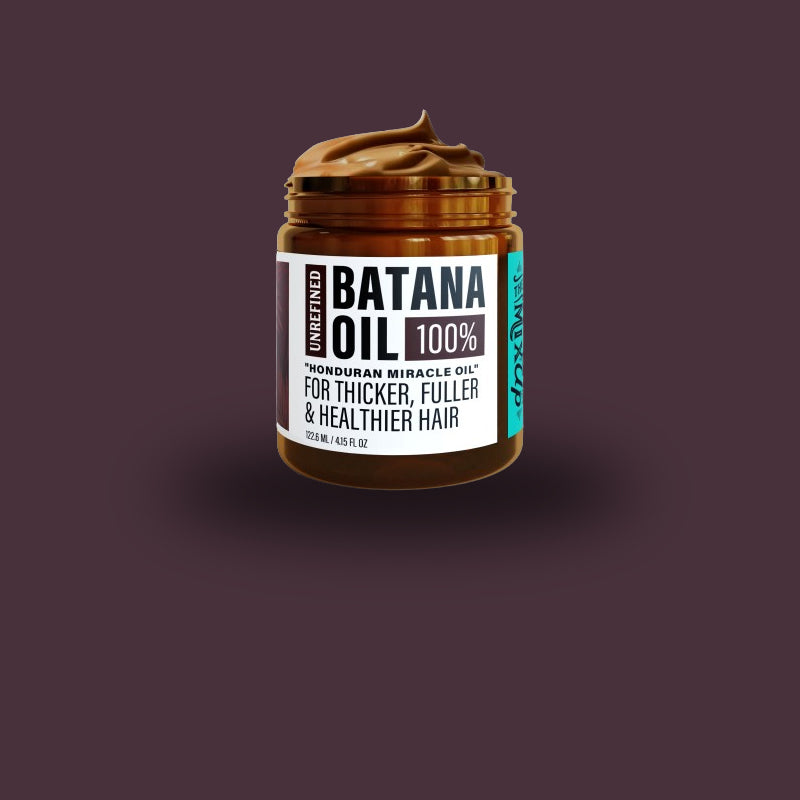
The Unrefined & Golden Batana Oil Duo helps address the unique needs of transitioning hair.
Unrefined Batana Oil works to deeply nourish and soften both textures, helping reduce dryness and improve flexibility across the strand.
Golden Batana Oil helps smooth and lightly seal the outer layer, reducing friction between the two textures and making detangling safer and easier.
Together, they help create a more balanced strand that can handle manipulation without snapping at the weakest point.
Stronger transitions come from better support—not more force.
How to Use During Your Transition
After washing or lightly dampening your hair, apply Unrefined Batana Oil through the mid-lengths, focusing specifically on the line of demarcation.
Take your time working it into the hair so both textures feel softer and more manageable.
Then apply a small amount of Golden Batana Oil over the surface to help seal and protect the strand.
When detangling, always work in sections and start from the ends, moving upward slowly.
The goal is to reduce tension—not rush through it.
Why Detangling Feels So Difficult
Transitioning hair tangles more easily because the two textures interact differently.
Natural roots may shrink or coil, while relaxed ends remain straighter, creating points where strands catch and knot.
Without enough moisture and slip, detangling becomes stressful for the hair.
This is where most breakage happens.
Better preparation makes detangling safer.
What Progress Looks Like Over Time
As you continue your transition with proper care, you may begin to notice:
Less breakage at the mid-lengths
Easier detangling sessions
Softer, more manageable strands
Improved moisture retention
Stronger-looking new growth
Over time, this allows you to retain more length while your natural hair continues to grow in.
Progress is not just about inches.
It is about preservation.
The “Transition Journey” Reality
Many people document their transition expecting smooth progress—but the reality often includes setbacks when breakage is not managed properly.
Supporting your hair during this phase helps reduce those setbacks and makes the journey feel more consistent.
The difference between frustration and success is often how well the line of demarcation is protected.
Who This Is For
This routine is ideal for anyone:
Transitioning from relaxed to natural hair
Experiencing breakage at the mid-lengths
Struggling with detangling
Managing two textures at once
Trying to retain length during the transition
It is especially helpful during the early and middle phases when the contrast between textures is strongest.
Frequently Asked Questions
Is breakage normal during transitioning?
It is common, but it can be reduced significantly with the right care.
Should I cut my relaxed ends immediately?
That depends on your goals, but protecting your hair allows you to transition at your own pace.
How often should I use the oils?
Several times per week, especially before detangling or styling.
Can this make detangling easier?
Yes, improving moisture and reducing friction helps the process feel smoother.
Will this help me retain length?
Yes—reducing breakage is key to maintaining length during transition.
The Hardest Part of Transitioning No One Talks About
The most fragile part of your hair is not your ends or your roots.
It is the space in between.
The Batana Oil Duo helps support that delicate line of demarcation so you can reduce breakage, retain length, and move through your transition with more confidence.
Because transitioning is not just about growing new hair.
It is about protecting the hair you already have along the way.