Key Takeaways:
- Scent as a Quality Signal: The natural batana oil smell reflects how the oil is made and whether it remains unrefined and authentic.
- Roasting Process Impact: The roasting process is what creates the oil’s signature earthy, coffee-like aroma and helps preserve its character.
- Authenticity Check: A strong, natural scent helps distinguish pure batana oil from refined or diluted versions on the market.
Batana oil stands out for its scent as much as its results. Unlike fragrance-heavy hair oils, it carries a naturally rich, roasted aroma that reflects its method of production. The smell can feel strong at first, but it quickly becomes a clear signal of whether the oil is pure, refined, or altered. Understanding this scent helps set the right expectations and makes it easier to recognize real quality.
At Hotana, we focus on authenticity at every step. Our batana oil is 100% unrefined, carefully sourced, and produced in small batches to preserve its natural composition. We do not mask or dilute its scent. That deep, earthy aroma is part of what makes it genuine and effective over time.
In this piece, we’ll break down what batana oil smells like and what it reveals about quality.

What Is the Natural Batana Oil Smell in Pure Batana Oil?
Pure batana oil has a scent that reflects its production. The natural batana oil smell is rich, earthy, and deeply roasted, often compared to dark coffee or toasted nuts. This aroma is not added. It comes directly from a traditional process that keeps the oil in its most authentic form.
Because it is unrefined, the scent remains intact along with its nutrients. It may feel strong at first, especially for those used to fragranced products, but it becomes more familiar over time. A bold, natural aroma signals that the oil has not been diluted or altered, making scent a clear indicator of quality and authenticity.
Why Authentic Batana Oil Has a Strong Aroma From the Roasting Process
Authentic batana oil carries a scent that is shaped long before it reaches the final jar. Its aroma is tied directly to its production, especially the roasting process that defines its character.
The Role of the Roasting Process in Developing Scent
The roasting process is central to creating real batana oil. The nuts are carefully roasted to release their oils while developing the deep, warm aroma that defines the ingredient. This stage is done with precision. Too little heat would leave the oil underdeveloped, while too much could damage its composition.
As the nuts are roasted, their natural compounds transform, producing the rich, slightly smoky scent associated with authentic batana oil. This is not a surface-level feature. It is built into the oil itself, making the aroma a reliable reflection of how the product was made.
Why the Aroma Indicates Authenticity
A strong, roasted scent is one of the clearest signals that the oil is authentic. It shows that the traditional method has been followed and that the oil has not been stripped of its natural properties. In contrast, oils that smell faint or overly pleasant often go through additional processing steps that remove or alter the original scent.
Some products are refined or blended to create a lighter fragrance. While this may feel more familiar, it often means the oil is no longer in its original form. Authentic batana oil does not rely on added fragrance. Its scent stands on its own, offering a clear indication of purity and integrity.
How the Roasting Process Shapes the Smell of Original Batana Oil
The scent of original batana oil develops gradually, but the roasting process remains the most defining step. It determines how deep, warm, and noticeable the aroma will be.
From Raw Nut to Original Batana Oil
Before roasting, the raw nuts have a mild scent that does not fully represent the final oil. Once heat is applied, the transformation begins. The oils within the nuts are released, and their aroma deepens into the rich, roasted profile that defines original batana oil.
This process has been practiced for generations. It reflects a method that values consistency and care rather than speed or mass production. The result is an oil that carries both its nutritional value and its natural scent without compromise.
Variations in Aroma Based on Processing
Even within authentic production, the scent of batana oil can vary slightly from batch to batch. Factors such as roasting time, temperature, and small-batch handling can influence the final aroma. These differences are subtle and remain within the expected range of an earthy, roasted scent.
These variations are not flaws. They are part of what makes original batana oil distinct from heavily processed alternatives. Instead of uniformity created through refinement, the oil reflects the natural variation that comes with careful, small-batch production.
What Original Batana Oil Smell Reveals About Quality
The smell of original batana oil offers insight into its overall quality. It provides clues about how the oil was processed, handled, and preserved.
Strong, Earthy Scent as a Quality Marker
A deep, roasted aroma is often a sign that the oil has been produced using traditional methods and kept in its unrefined form. This type of scent indicates that the oil still contains its full range of natural compounds.
High-quality batana oil does not need added fragrance to make it appealing. Its natural smell reflects the integrity of the ingredient and the care taken during production.
What a Weak or Altered Smell Suggests
If the oil smells unusually mild or carries a perfumed note, it may have been refined or mixed with other ingredients. Deodorizing the oil removes its natural scent, and dilution reduces its concentration. Both processes change how the oil performs.
A missing or altered aroma often points to a product that has moved away from its original form. For those seeking long-term hair and scalp support, this difference matters. Readers dealing with more significant hair loss may also find our guide on batana oil for alopecia useful.

Differences Between Pure Batana Oil and Refined Versions
Understanding the difference between pure batana oil and refined alternatives helps set clear expectations around scent, appearance, and overall quality.
Pure batana oil reflects minimal processing and stays close to its original form. Refined versions undergo additional steps that alter both their appearance and their aroma.
Key differences include:
- Pure batana oil has a strong, roasted aroma, while refined versions have a lighter or neutral scent
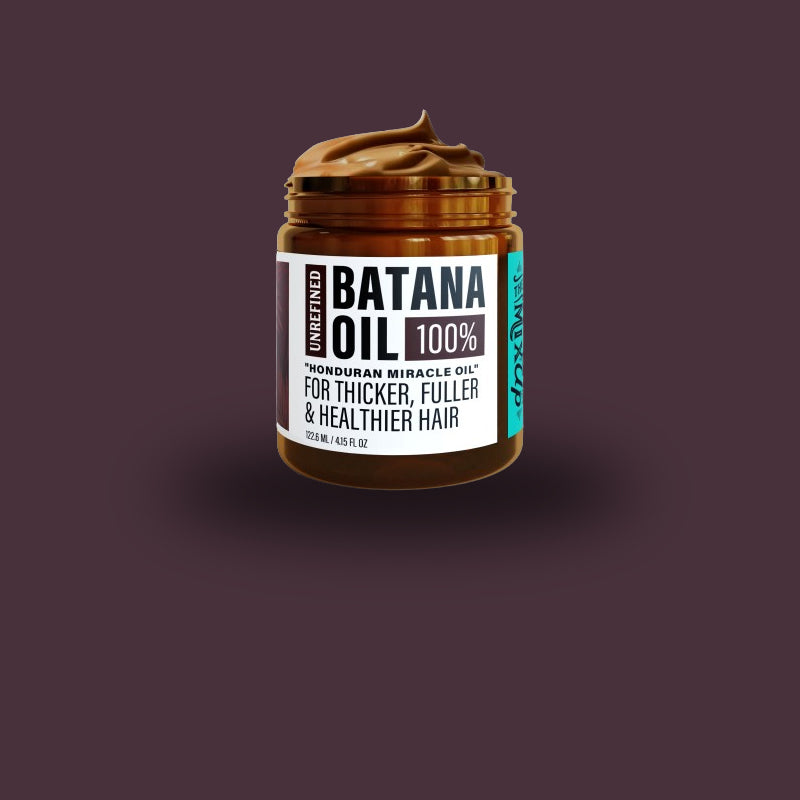
- Pure batana oil appears as a brown paste when cool and melts into a brown liquid when warmed, while refined oil is typically yellow and remains liquid
- Pure batana oil retains its natural composition, while refined oil may lose some of its original properties during processing
- Pure batana oil reflects traditional methods, while refined oil is often adjusted for consistency and broader appeal
These differences highlight a broader distinction between authenticity and convenience. While refined oils may feel easier to use due to their lighter scent, they do not offer the same connection to traditional practices or the same level of integrity in formulation.
Pure batana oil also reflects a commitment to transparency. It does not hide its scent or alter its structure to meet expectations shaped by synthetic products. The FTC has established clear standards for FTC natural product claims that consumers can use to evaluate what "natural" means on a label. Instead, it remains consistent with its origins, allowing users to understand exactly what they are applying to their hair and scalp. Those focused on density and fullness can explore our collection of batana oil for thicker hair.
How to Identify Authentic Batana Oil by Its Smell
Smell is a practical way to assess the authenticity of batana oil. A strong, roasted aroma suggests the oil is unrefined and made using traditional methods. Browse our batana hair oil collection to find options that meet that standard.
If the scent is faint or smells like added fragrance, it may be processed or diluted. Price can also offer clues, as authentic batana oil is labor-intensive to produce. Together, these signs help you better judge quality and integrity. For a broader understanding of what cosmetic labels can and cannot claim, the FDA outlines cosmetic labeling rules that apply to all hair care products.
Why Some Batana Oil Lacks the Scent of Pure Batana Oil
Some batana oil lacks a strong scent because it has been refined or diluted. Deodorizing removes its natural aroma, while mixing it with lighter oils reduces both scent and potency.
These changes make the oil more neutral but move it away from its original form. For those curious about how terms like "organic" and "natural" are defined for cosmetics, the FDA explains natural vs organic cosmetics and what each designation does and does not guarantee. A strong, roasted smell remains a key sign of authenticity and minimal processing.
What Changes in Authentic Batana Oil Smell Mean Over Time
The scent of authentic batana oil may soften slightly over time, but this change is gradual. When stored in a cool, dry place away from sunlight, it can maintain its quality for up to 24 months.
A mild shift in aroma is normal, but a sharp or unpleasant smell can signal exposure to heat, light, or air. Proper storage keeps the oil stable, preserving both its scent and overall effectiveness.

Final Thoughts
The smell of batana oil reflects its authenticity. A strong, roasted, earthy scent signals that the oil is unrefined and true to traditional methods. Lighter or perfumed scents often point to processing or dilution.
Learning to recognize this natural aroma helps you choose quality with confidence, based on what the oil truly is rather than how it is marketed.
Frequently Asked Questions About What Batana Oil Smells Like
Does batana oil smell bad?
Batana oil does not smell bad, but it does have a strong natural scent. The earthy, roasted aroma can feel intense at first, especially if you are used to lightly scented products.
Why does batana oil smell like coffee?
The coffee-like smell comes from the roasting process used to extract the oil. Heating the nuts develops the deep, warm aroma that defines authentic batana oil.
Is it normal for batana oil to smell strong?
Yes, a strong scent is normal and expected. It usually indicates that the oil is unrefined and has not been altered or deodorized.
Can the smell of batana oil vary from batch to batch?
Yes, slight differences in smell can happen due to small-batch production. Factors like roasting time and handling can create subtle variations.
Does the smell of batana oil stay in the hair?
The scent may linger lightly after application, especially if used in larger amounts. It typically softens over time and becomes less noticeable as the oil absorbs.
Can you reduce the smell of batana oil?
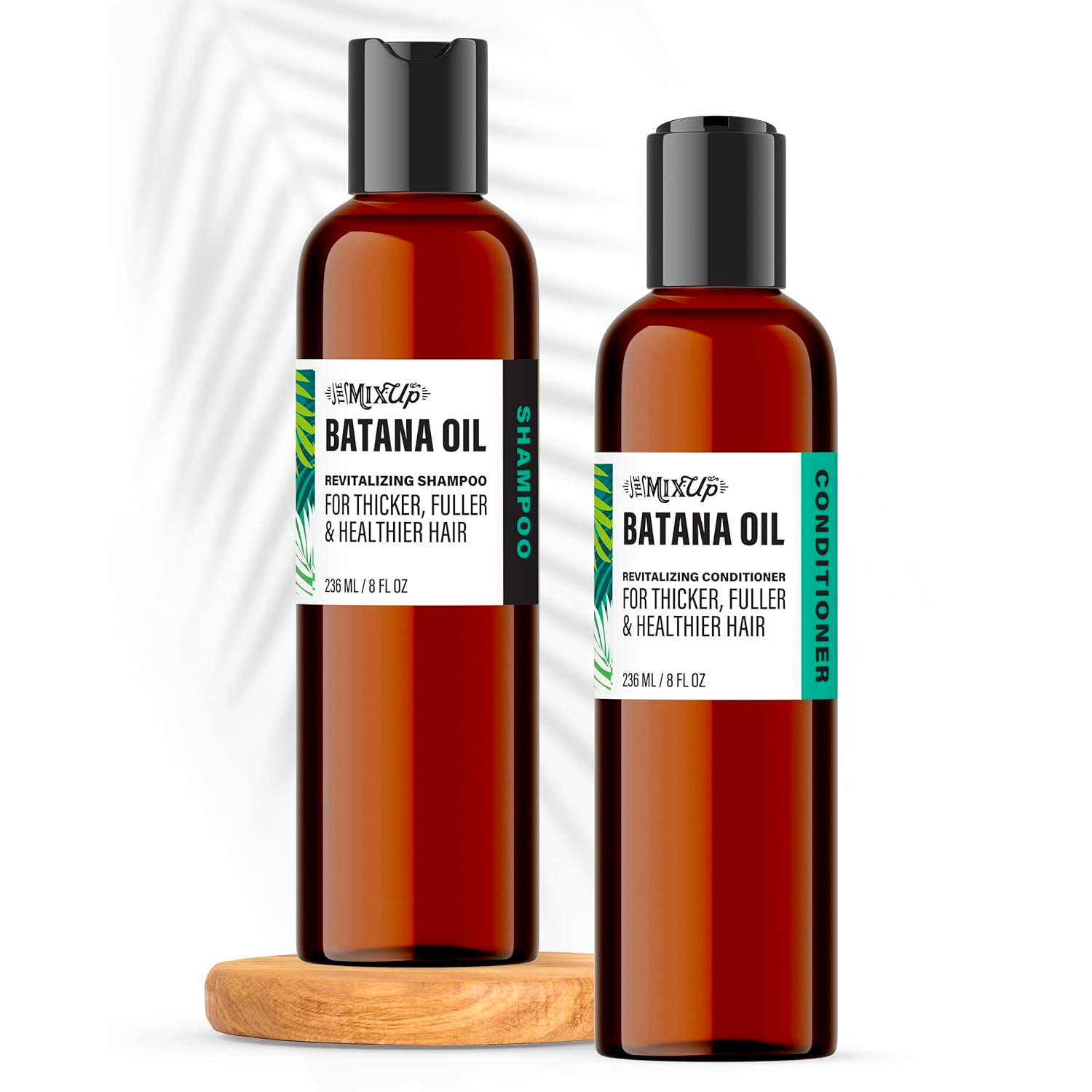
You can reduce the intensity by using smaller amounts or pairing it with our batana shampoo and conditioner, which can help balance the overall hair care experience. However, this may slightly change the overall experience and performance.
Why does some batana oil have no smell?
Batana oil with little to no scent is often refined or deodorized. This process removes the natural aroma and may also affect the oil’s original properties.
Does the smell mean the oil is working?
The smell itself does not guarantee results, but it does indicate that the oil is likely unrefined and closer to its natural state, which supports consistent performance over time. The closer the oil remains to its natural state, the more consistent its performance tends to be. See our batana oil before and after guide for what that consistency looks like over time.
Can the smell of batana oil go away over time?
The scent may soften slightly with proper storage, but it should not disappear completely. A missing scent can suggest the oil has been altered.
Does batana oil smell different from other hair oils?
Yes, batana oil has a much deeper, more roasted scent than lighter oils like argan or coconut, which tend to smell mild or slightly sweet.