Key Takeaways:
- Oil Composition: Plant oils vary greatly in structure, which affects how deeply they moisturize hair and scalp.
- Scalp Health: Maintaining a nourished scalp environment supports stronger hair and reduces breakage over time.
- Routine Fit: Batana oil works well for deep-conditioning treatments, while jojoba oil supports lightweight scalp hydration.
Batana oil and jojoba oil are both widely used in natural hair care routines, yet they serve different purposes depending on hair type and scalp needs. Some people look for lightweight hydration that keeps the scalp balanced, while others seek deeper nourishment that helps repair dryness and breakage over time. Understanding the differences between these two plant-derived oils can help you choose the one that aligns with your long-term hair health goals.
At Hotana, our approach to hair care is rooted in authenticity and respect for traditional ingredients. We work closely with Honduran communities to produce genuine batana oil using time-honored methods that preserve the oil’s natural richness and nutrient profile. Our commitment to small-batch quality and transparent sourcing reflects a belief that meaningful hair care begins with ingredients that are real, responsibly produced, and used with care.
In this piece, we’ll break down batana oil vs. jojoba oil, including how each oil works, their differences in scalp and hair care, and how to decide which option best fits your routine.
What Batana Oil Is And Why It’s Used for Hair Care
Batana oil has earned a reputation as one of the most nutrient-rich oils used in traditional hair care. Originating from Central America, it has been valued for generations for its ability to nourish both hair and scalp. To understand its role in modern hair routines, it helps to look closely at how this oil is sourced, what it contains, and why people continue to rely on it:
Traditional Origins And Cultural Use
Batana oil is derived from the nuts of the American palm tree, Elaeis oleifera, which grows in parts of Honduras and neighboring regions. Indigenous Miskito communities have long produced this oil using careful roasting and pressing methods that preserve its natural composition. The oil has historically been used to maintain long, resilient hair, and its preparation remains closely tied to cultural knowledge passed down through generations.
Nutrient Profile And Hair Benefits
Batana oil contains a blend of fatty acids, antioxidants, and natural lipids that help replenish moisture within the hair fiber. Research confirms that plant oils rich in fatty acids can help repair damaged hair, reduce frizz, and enhance hair elasticity (Lipid Bond Technology for Damaged Hair, 2025). These nutrients support elasticity and help reduce the brittle feeling that often develops after repeated heat styling, chemical treatments, or environmental stress. With regular use, the oil helps soften strands and contributes to stronger hair that is less prone to breakage.
Role In Scalp Care And Long Term Hair Health
Healthy hair begins with a balanced scalp environment, and batana oil has been traditionally used as part of scalp-care rituals. When gently massaged into the scalp, its rich texture helps maintain hydration and supports the scalp's natural barrier. Many people include it in weekly treatments or overnight masks, allowing the oil to absorb and gradually improve the condition of both the scalp and the hair.

What Is Jojoba Oil And How Does It Support Scalp Health?
Jojoba oil is widely used in natural hair care for its lightweight texture and skin-friendly properties. Although it is called an oil, its structure is actually closer to the natural sebum produced by the scalp. Understanding how jojoba works can help explain why it remains a common ingredient in scalp-focused hair routines:
Source And Botanical Background
Jojoba oil comes from the seeds of the jojoba plant, Simmondsia chinensis, a shrub native to dry regions of North America. The seeds are pressed to produce a golden liquid wax that is highly stable and resistant to oxidation. Because of this stability, jojoba oil has long been used in cosmetic and personal care products where a gentle, plant-derived moisturizer is desired.
Unique Composition That Mimics Sebum
One reason jojoba oil stands out among plant oils is its similarity to the scalp's natural oils. Jojoba is technically a liquid wax ester rather than a triglyceride oil, and its composition shows high structural similarity to human skin sebum, which is why it has historically been used for scalp disorders (Jojoba Oil: An Updated Comprehensive Review, 2021). Unlike heavier triglyceride oils, jojoba forms a light, protective layer that helps reduce moisture loss from the skin. This quality allows it to support scalp balance without leaving hair feeling overly coated.
Lightweight Hydration For The Scalp
People often use jojoba oil to address scalp dryness or tightness without adding significant weight to the hair. A few drops massaged into the scalp can help soften dry areas and improve the skin's feel. Because the oil spreads easily, it is commonly used in leave-in treatments or blended into lightweight hair serums.
Role In A Best Oil For Scalp Comparison
In discussions about natural hair care oils, jojoba often appears in best-oil-for-scalp comparisons for its gentle, balancing properties. Its light texture makes it appealing for individuals who prefer oils that absorb quickly and do not weigh down fine hair. This reputation has made jojoba oil a common starting point for people exploring plant-based scalp care.
Batana Oil Vs Jojoba Oil For Hair: Key Differences In Composition And Function
Both oils are widely used in natural hair routines, yet they serve different purposes depending on hair texture, scalp condition, and treatment goals. Understanding the structural differences between these oils can help explain how they interact with hair and skin. Looking closely at their composition and behavior reveals why batana oil vs jojoba oil for hair is a common comparison among people exploring plant-based hair care:
Oil Structure And Consistency
Batana oil is dense and deeply conditioning, with a thick texture that coats the hair shaft and provides long-lasting moisture. This richness makes it suitable for treatments aimed at restoring dry or damaged strands. Jojoba oil, on the other hand, has a lighter consistency that spreads easily and leaves a more subtle layer on the hair and scalp.
Moisture Retention And Hair Repair
Because of its high concentration of fatty acids, batana oil helps replenish moisture within the hair fiber and support elasticity. It works well in treatments designed to soften brittle strands and improve resilience over time. Jojoba oil focuses more on maintaining surface hydration and smoothing the hair without delivering the same level of deep conditioning.
Scalp Interaction And Absorption
Jojoba oil absorbs quickly and behaves similarly to natural scalp oils, allowing it to balance surface hydration without causing heaviness. Batana oil absorbs more slowly and tends to remain on the scalp longer during treatments. This slower absorption makes it well-suited for overnight scalp masks or weekly restorative rituals.
Suitability For Different Hair Types
Hair texture often influences which oil feels more comfortable in a routine. People with thick, curly, or highly textured hair may benefit from the heavier nourishment of batana oil. Those with fine hair or lighter conditioning needs sometimes prefer jojoba oil because it delivers hydration while maintaining a lighter feel.

Batana Oil Compared To Jojoba: Moisture, Repair, And Scalp Support
Natural oils support hair health in different ways depending on their structure and nutrient content. Some oils focus on light surface hydration, while others work more deeply to restore damaged strands. Looking at batana oil compared to jojoba helps clarify how each oil contributes to moisture balance, repair, and overall scalp care:
Depth Of Moisture
Batana oil is known for its rich texture and ability to deliver deep conditioning to dry hair. The oil forms a protective layer around the hair fiber, helping retain moisture during longer treatments. Jojoba oil provides hydration as well, though its lighter structure tends to sit closer to the surface of the hair and scalp.
Support For Hair Repair
Hair that has experienced breakage, heat exposure, or chemical processing often benefits from oils that replenish lost lipids. Research on hair lipid structure and loss shows that the laminated lipid barrier of fatty acids and ceramides within the hair shaft is essential for preventing moisture loss, and lipids lost through routine washing or chemical treatment are not fully restored on their own (Prevention of Lipid Loss from Hair, 2019). Batana oil contains fatty acids that help soften rough strands and support elasticity over time. Jojoba oil primarily focuses on smoothing the hair's outer layer, which can improve manageability but may not provide the same level of restorative conditioning.
Scalp Conditioning
Both oils contribute to scalp comfort, though in different ways. Batana oil provides a dense conditioning treatment that can help relieve dryness during longer scalp masks. Jojoba oil absorbs quickly and leaves a lighter layer on the skin, making it useful for daily or more frequent scalp hydration.
Long-Term Hair Maintenance
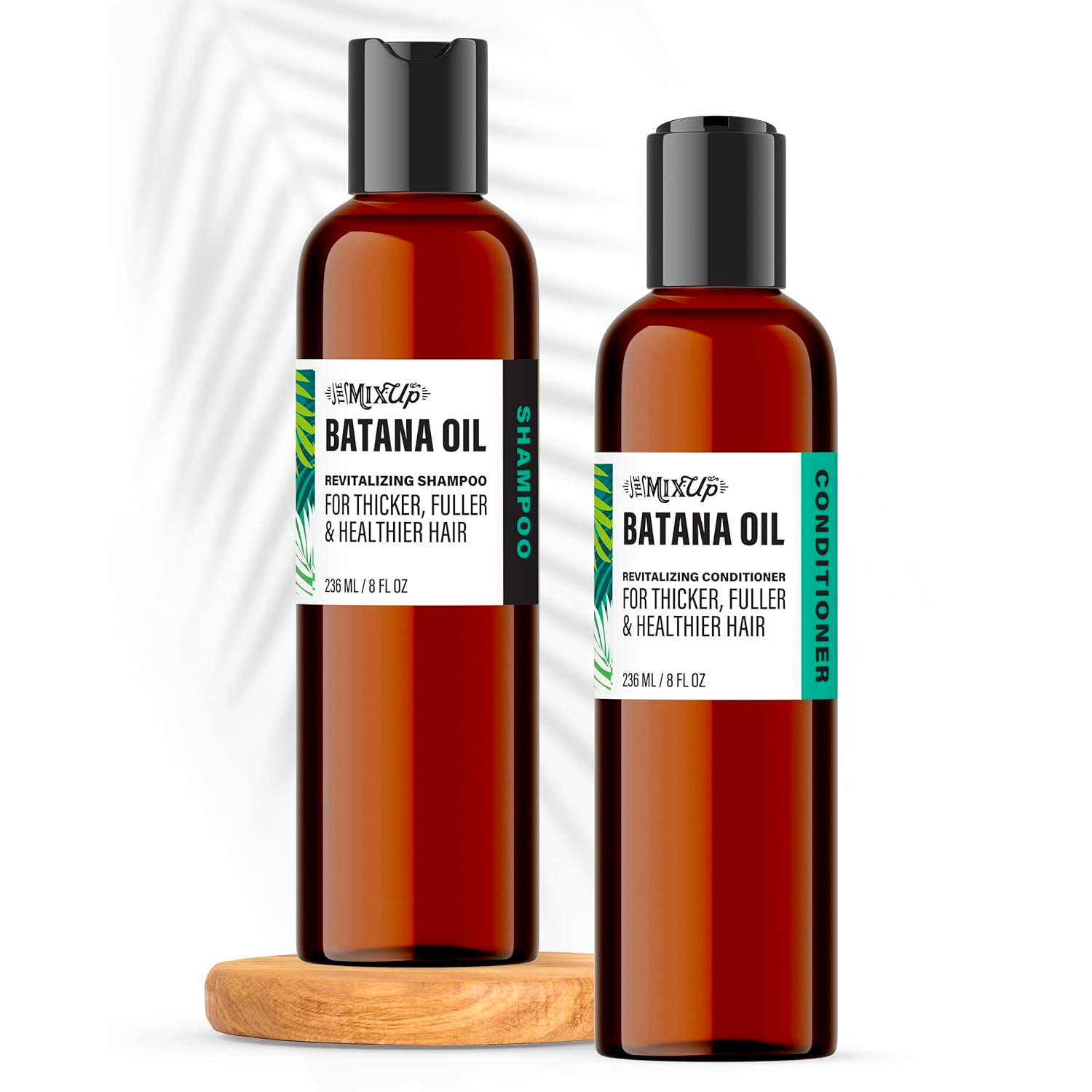
Hair care routines often include oils that support ongoing maintenance rather than short-term cosmetic effects. Batana oil is commonly used in weekly treatments designed to strengthen hair over time and help maintain density. Jojoba oil often appears in lighter routines where the goal is to keep the scalp balanced and the hair soft between deeper conditioning treatments, similar to how batana shampoo and conditioner can support everyday maintenance alongside weekly oil treatments.
Batana vs. Jojoba Comparison: Which Is The Best Oil For Scalp Health And Growth
Hair oils are often chosen based on how well they support scalp balance and long-term hair strength. Different oils contribute in different ways, depending on their nutrient profile and how deeply they condition the hair and skin. A closer look at this batana vs jojoba comparison helps clarify how each oil fits into routines focused on scalp health and gradual hair improvement:
Scalp Environment And Hair Growth
Healthy hair growth begins with a well-nourished scalp environment. Batana oil contains fatty acids and antioxidants that help condition the skin and maintain moisture around the hair follicles, which is also why it is explored in discussions around batana oil for alopecia. Over time, consistent scalp care supports stronger hair strands and helps reduce breakage that can affect perceived hair density.
Oil Weight And Scalp Feel
The texture of an oil often determines how it is used in a routine. Batana oil is thicker and tends to remain on the scalp during longer treatments, which makes it suitable for weekly masks or overnight applications. Jojoba oil feels lighter and absorbs quickly, which is why some people use it more frequently in smaller amounts.
Repair Versus Maintenance
Batana oil is often chosen during periods of hair recovery when deeper nourishment is needed, and batana oil before and after results often reflect this gradual restorative process. Its rich consistency supports strands that feel dry, fragile, or stressed from styling or environmental exposure. Jojoba oil usually plays a maintenance role by helping keep the scalp comfortable and lightly hydrated between more intensive treatments.
Choosing A Jojoba Oil Alternative For Hair
People searching for a jojoba oil alternative for hair often look for oils that provide deeper conditioning and longer-lasting moisture. Batana oil is often considered in this context for its ability to coat the hair fiber and support resilience over time. For individuals focused on restoring hair strength and scalp nourishment, richer oils can sometimes provide the level of conditioning that lighter oils do not deliver.

Final Thoughts
Choosing between batana oil and jojoba oil often depends on what the hair and scalp need most at a given time. Jojoba oil offers lightweight hydration and can help maintain a balanced scalp, while batana oil provides deeper nourishment that supports dry or damaged strands during restorative treatments.
Both oils have a place in thoughtful hair care routines, especially for people focused on gradual improvement rather than quick cosmetic results. Understanding how each oil behaves allows individuals to choose the option that aligns best with their hair texture, scalp condition, and long-term goals for healthier hair.
Frequently Asked Questions About Batana Oil Vs Jojoba Oil
Is batana oil better than jojoba oil for damaged hair?
Batana oil is often chosen for damaged hair because it provides deeper conditioning and moisture. Jojoba oil is lighter and works better for gentle hydration and maintenance.
Can batana oil and jojoba oil be used together in a hair routine?
Yes, they can complement each other. Jojoba oil is ideal for lightweight scalp hydration, while batana oil is effective for deeper weekly treatments.
Which oil absorbs faster into the scalp?
Jojoba oil usually absorbs faster because its structure is similar to the scalp’s natural sebum. Batana oil is thicker and tends to remain on the skin longer during treatments.
Does batana oil help with hair thickness?
Using batana oil for thicker hair focuses on improving hair strength and reducing breakage, which can make hair appear fuller over time. Consistent scalp care is critical for long-term results.
Is jojoba oil suitable for all hair types?
Jojoba oil works well for many hair types due to its lightweight texture. It is especially helpful for fine hair that needs hydration without heaviness.
How often should batana oil be used on the scalp?
Many people apply batana oil once or twice per week as a scalp treatment or hair mask. Leaving it on for several hours allows the oil to condition the scalp and hair.
Why do people compare batana oil and jojoba oil for hair care?
Both oils support scalp health but function differently. Comparing them helps people choose the oil that fits their hair texture and conditioning needs.
Sources:
- Gad, H. A., Roberts, A., Hamzi, S. H., Gad, H. A., Touiss, I., Altyar, A. E., Kensara, O. A., & Ashour, M. L. (2021). Jojoba oil: An updated comprehensive review on chemistry, pharmaceutical uses, and toxicity. PMC. https://pmc.ncbi.nlm.nih.gov/articles/PMC8197201/
- Lai, C., et al. (2025). Utilizing lipid bond technology with molecular lipid complex to provide lipid treatment for damaged hair. Dermatology Research and Practice. https://pmc.ncbi.nlm.nih.gov/articles/PMC12352994/
- Koike, K., et al. (2019). Prevention of lipid loss from hair by surface and internal modification. Scientific Reports. https://pmc.ncbi.nlm.nih.gov/articles/PMC6614367/