Key Takeaways:
- Hair Growth Approach: Batana oil supports gradual, long-term scalp nourishment, while rosemary oil focuses more on short-term stimulation.
- Scalp Health Focus: Choosing the right oil depends on scalp comfort, sensitivity, and consistency rather than trends.
- Authenticity Matters: Sourcing, processing, and realistic expectations play a major role in achieving meaningful hair improvements.
Choosing the right hair oil can feel confusing, especially when two natural options are often compared for hair health and growth. Batana oil and rosemary oil are both widely discussed for supporting the scalp, strengthening hair, and improving long-term hair appearance. While they share some benefits, they work in very different ways and suit different needs. Understanding how each oil functions can help set realistic expectations and guide better hair care decisions.
At Hotana, we work directly with authentic Batana oil sourced from Honduras and formulate our products in the USA, focusing on long-term hair health. We have spent years studying traditional Batana oil practices, ingredient integrity, and real-world results from consistent use. Our approach is rooted in transparency, patience, and respect for cultural heritage, not trends or exaggerated claims. This experience gives us a clear perspective on how Batana oil truly compares to more commonly used oils, such as rosemary.
In this piece, we’ll break down Batana oil and rosemary oil, how they differ, the benefits each offers, and how to decide which option makes sense for your hair goals.
Understanding Batana Oil And Rosemary Oil
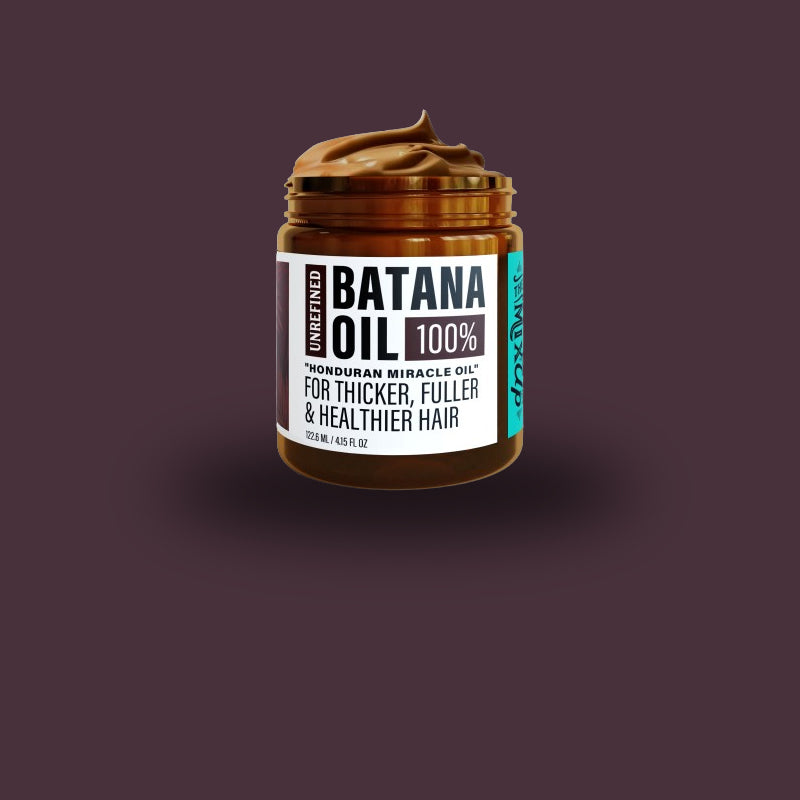
Batana oil and rosemary oil come from very different traditions, which influences how they work on the hair and scalp. Batana oil is a plant-derived oil traditionally used by the Miskito people of Honduras. When unrefined, it appears as a brown paste in cooler temperatures and turns into a brown liquid when warm. It is known for deeply nourishing the scalp, supporting moisture balance, and strengthening hair over time through consistent use.
Rosemary oil is an essential oil distilled from rosemary leaves. It is typically diluted with a carrier oil and used in smaller amounts. Many people use rosemary oil for its stimulating properties and refreshing feel on the scalp. Unlike batana oil, it is not meant to deeply condition the hair fiber but instead focuses more on scalp stimulation.
When comparing batana oil vs rosemary oil, the main distinction is purpose. Batana oil is traditionally used for long-term hair and scalp restoration, while rosemary oil is often chosen for short-term scalp support. This difference is why batana oil compared to rosemary oil often comes down to whether someone wants deep nourishment or a lighter, stimulating treatment.

Batana Oil vs Rosemary Oil: Hair Growth Benefits Compared
Hair growth is influenced by scalp health, consistency, and the type of nourishment used over time. Batana oil and rosemary oil are often discussed in hair routines because they support growth in different ways. Understanding these differences helps clarify expectations and guides a more realistic hair growth approach:
How Batana Oil Supports Hair Growth Over Time
Batana oil works by deeply conditioning the scalp and strengthening the hair strand at the root. In discussions around batana oil vs rosemary oil hair growth, batana oil is often associated with improved hair density because it supports the scalp environment rather than stimulating it temporarily. With regular use, many people apply it three to five times per week as part of a long-term routine focused on restoration.
How Rosemary Oil Influences Hair Growth
Rosemary oil is commonly used to stimulate the scalp and increase circulation at the surface level. In a broader hair growth oils comparison, rosemary oil is usually highlighted for its energizing effect rather than deep nourishment. It is typically diluted and applied less frequently, making it more suitable for short-term scalp stimulation than structural hair repair.
Comparing Results And Expectations
When looking at batana oil compared to rosemary oil, the biggest difference is how results appear over time. Batana oil tends to support gradual improvements in thickness and strength, while rosemary oil is often used for maintaining scalp activity. This contrast is why batana oil vs rosemary oil hair growth conversations often emphasize patience and consistency over quick changes.
Batana vs. Rosemary For Hair Loss And Thinning Hair
Hair loss and thinning often develop slowly and are influenced by stress, hormones, aging, and scalp health. Oils used for these concerns should support the scalp environment rather than focus only on surface stimulation. Looking closely at how each oil works helps explain why results vary from person to person:
Batana Oil For Ongoing Hair Loss Support
Batana oil is traditionally used to nourish the scalp and reinforce weakened hair at the root. In conversations around batana vs rosemary for hair loss, batana oil is often associated with long-term use because it supports moisture balance and scalp comfort over time. This approach is especially relevant for people experiencing gradual thinning, postpartum shedding, or stress-related hair loss.
Rosemary Oil And Temporary Thinning Concerns
Rosemary oil is commonly used for scalp stimulation and is often chosen during early stages of thinning. Within batana vs rosemary for hair loss discussions, rosemary oil is usually viewed as a short-term option that focuses on increasing scalp activity rather than repairing underlying dryness or fragility. Because it is an essential oil, it must be diluted and may not suit sensitive scalps.
Which Oil Makes Sense For Different Types Of Hair Loss
When comparing batana vs rosemary for hair loss, the deciding factor is often the cause of thinning. Batana oil tends to suit people looking for consistent scalp nourishment and recovery, while rosemary oil may appeal to those focused on occasional stimulation. For individuals researching deeper restoration options, learning more about batana oil for alopecia can provide additional context around how scalp health supports regrowth over time.
Scalp Health And Long-Term Hair Strength
Scalp condition plays a major role in how strong, resilient, and full hair becomes over time. Oils that support the scalp can influence moisture balance, comfort, and the overall growth environment. Looking at how each oil affects the scalp helps clarify their role in a consistent routine:
Batana Oil And Scalp Nourishment
Batana oil is known for its ability to deeply condition a dry or compromised scalp. In many hair growth oils comparison discussions, batana oil stands out because it focuses on restoring moisture and supporting the scalp barrier rather than creating a temporary sensation. This nourishing approach helps hair feel stronger at the root and less prone to breakage with ongoing use.
Rosemary Oil And Scalp Stimulation
Rosemary oil is often chosen for its invigorating effect on the scalp. Within a broader hair growth oils comparison, rosemary oil is usually associated with surface-level stimulation rather than long-term conditioning. Because it can be stimulating, some people with sensitive scalps may need to use it less frequently or discontinue use if irritation occurs.
Building A Healthy Scalp Routine
When comparing batana oil vs rosemary oil, scalp needs often determine which option feels more supportive. Batana oil can be applied directly as part of a regular care ritual focused on comfort and strength, while rosemary oil may serve as a lighter rosemary oil alternative for occasional use. For those seeking deeper conditioning rooted in traditional practices, exploring batana hair oil as part of a routine can help support long-term scalp health.

How To Use Batana Oil And Rosemary Oil Safely
Using hair oils correctly matters just as much as choosing the right one. Application method, frequency, and scalp sensitivity all affect results over time. Understanding safe use helps prevent irritation and supports a healthier routine:
Frequency And Application Methods
Batana oil is commonly used as a scalp treatment or hair mask and many people benefit from applying it three to five times per week rather than limiting use to once or twice. In contrast, rosemary oil should always be diluted with a carrier oil and used more sparingly. This difference is often highlighted in discussions of batana oil vs. rosemary oil, especially for people with dry or sensitive scalps.
Safety For Sensitive Scalps And Children
Batana oil is generally well tolerated when used consistently and gently massaged into the scalp. Rosemary oil, being an essential oil, may cause irritation if overused or improperly diluted. When considering either oil for children, it is always recommended to consult a pediatrician before use.
Color-Treated Hair And Storage Tips
Pure, unrefined batana oil can be used on color-treated hair, but it may darken gray or very light hair over time. Shampoo, conditioner, and other formulated products will not darken hair. When stored in a cool, dry place away from direct sunlight, pure organic batana oil can last up to 24 months, which supports long-term, consistent use.
Choosing an Authentic Oil For Your Hair Goals
Not all hair oils on the market are created with the same level of care or integrity. Ingredient sourcing, processing methods, and transparency all affect how an oil performs over time. Knowing what to look for can help avoid products that do not deliver real benefits:
How to Spot Genuine Batana Oil
Authentic batana oil is traditionally produced by the Miskito people of Honduras using time-honored methods. When unrefined, it appears as a brown paste when cool and becomes a brown liquid when warmed. If an oil is yellow and always liquid, it is likely refined and does not offer the same depth of nourishment discussed in batana oil compared to rosemary oil conversations focused on long-term results.
Too Cheap To Be True
Authentic batana oil is labor-intensive to produce, which is reflected in its price. If a product is dramatically cheaper than others on the market, it is often diluted or not real batana oil at all. This is an important factor for anyone researching a reliable rosemary oil alternative that supports genuine hair restoration.
Matching Products To Your Hair Goals
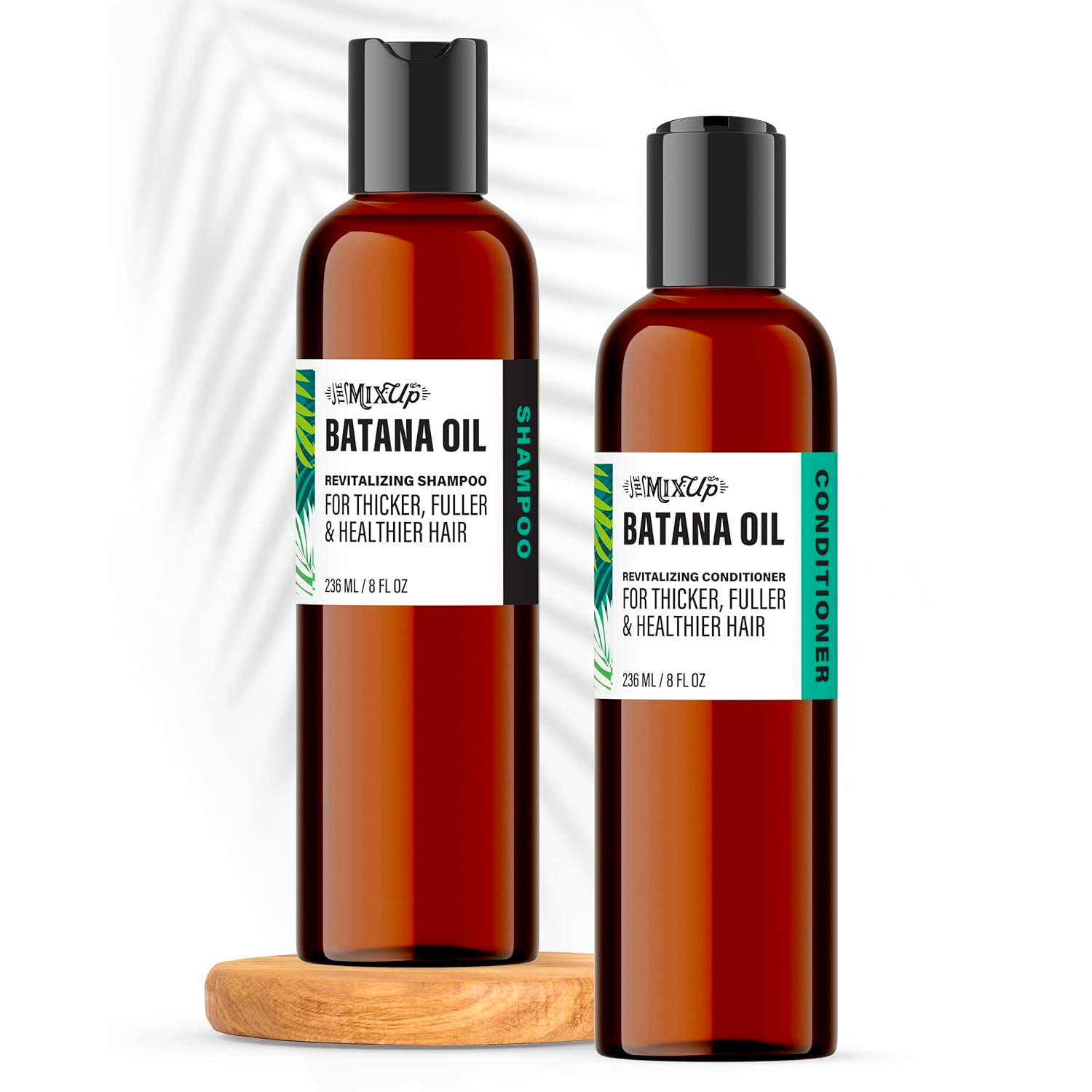
Some people prefer using pure oil treatments, while others choose formulated products for convenience. For routine cleansing, batana-based wash systems can complement oil treatments, and many users follow the batana shampoo and conditioner together as part of their routine. Those focused on visible density improvements often explore options like batana oil for thicker hair, while others review real-use examples through batana oil before and after experiences to better understand realistic outcomes.

Final Thoughts
Choosing between batana oil and rosemary oil depends on what you want from your hair care routine and how patient you are willing to be with results. Throughout this comparison, batana oil vs rosemary oil has shown a clear contrast between deep, long-term nourishment and short-term scalp stimulation. Batana oil is often chosen by those focused on restoring scalp health, strengthening hair, and supporting gradual improvement, while rosemary oil tends to appeal to people seeking a lighter, stimulating addition to their routine.
For many readers comparing options in a broader hair growth oils comparison, the takeaway is that consistency and scalp comfort matter more than trends. Batana oil is frequently viewed as a rosemary oil alternative for individuals who prefer minimal, traditional ingredients and a routine centered on restoration rather than stimulation. This distinction becomes especially important for those managing thinning, dryness, or long-term hair changes.
Ultimately, understanding how each oil works allows for more realistic expectations. Whether you are exploring batana oil vs rosemary oil for growth, strength, or scalp health, the most meaningful results come from choosing an oil that aligns with your needs and using it consistently over time.
Frequently Asked Questions About Batana Oil vs Rosemary Oil
Is batana oil better for long-term use than rosemary oil?
Batana oil is often chosen for long-term routines because it focuses on nourishing the scalp and strengthening hair over time. Rosemary oil is usually used more intermittently for scalp stimulation. The better option depends on whether your priority is restoration or short-term stimulation.
Can batana oil and rosemary oil be used together?
Some people choose to alternate oils rather than layer them. Using both at the same time can be difficult to balance, especially since rosemary oil must be diluted. Keeping routines simple often helps reduce scalp irritation and improves consistency.
How long does it take to see changes when using batana oil?
Changes usually appear gradually with consistent use. Many users notice improved scalp comfort first, followed by stronger-looking hair over time. Results vary based on frequency, scalp condition, and overall hair care habits.
Is rosemary oil suitable for dry or sensitive scalps?
Rosemary oil can feel stimulating and may not suit every scalp type. People with dryness or sensitivity often need to dilute it carefully or limit use. A nourishing oil may feel more comfortable for ongoing care.
Does batana oil have a strong scent?
Unrefined batana oil has a natural, earthy scent that reflects its traditional processing. This scent usually softens once applied and absorbed. Refined forms used in shampoos and conditioners have a much lighter fragrance.
Can batana oil be used on beards or facial hair?
Yes, many people use batana oil on beards to support skin comfort and hair softness. As with scalp use, a small amount is usually enough. It is best to patch test first, especially on facial skin.
Is batana oil safe for children?
Batana oil is generally considered gentle, but when using any hair or scalp product on children, it is recommended to consult a pediatrician first. This helps ensure safety based on age and skin sensitivity.